October 6, 2026
Water well systems are critical for properties operating off municipal networks. Keeping these systems running requires prompt identification of problems and execution of safe repairs. When key elements fail, troubleshooting must be applied systematically to prevent unnecessary component replacement and avoid service interruptions.
Low Water Pressure
Low water pressure can stem from leaks in the plumbing system, debris blockages, or mechanical failures that disrupt regular flow. Monitoring system delivery rate serves as the primary diagnostic check. According to the California Department of Water Resources, two million water wells tap California’s groundwater. This extensive demand highlights why properly maintained water well pumps are crucial for sustaining household and agricultural needs across regional supplies.
Addressing diminished pressure requires checking visible pipework for leaks or structural breaches. If the piping is intact, test mechanical switches and inspect line filters for obstruction. Gradual drops in pressure often indicate wear inside the pumping assembly, whereas sudden pressure loss typically signals a line break, a stuck check valve, or a clogged filter screen.
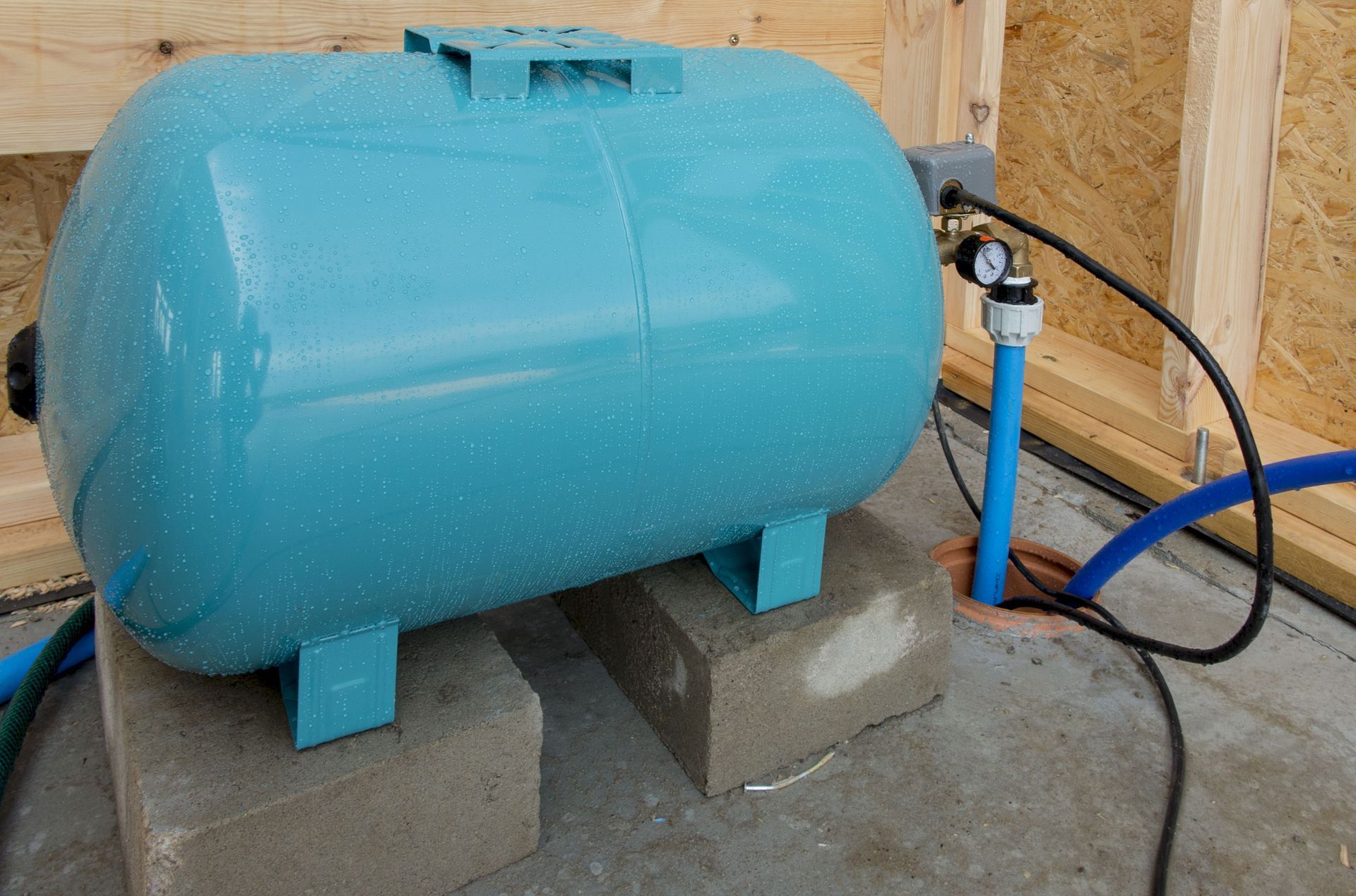
When pressure switch adjustments are needed, disconnect main power to the assembly. Remove the switch cover to expose the adjustment nuts on the spring center. The primary nut adjusts both cut-in and cut-out pressures simultaneously, typically calibrated to 20–40 psi or 30–50 psi ranges. Turn the adjustment nut clockwise to raise system pressure or counterclockwise to lower it, making small adjustments to avoid over-pressurizing the storage tank.
Clogging inside delivery lines or check valves directly restricts volumetric output. Flush delivery lines using clean water or targeted pipe-cleaning tools, ensuring power is fully isolated before servicing submerged fittings or pressure vessels. If cleaning fails to restore flow, inspect check valves and pressure tanks for physical degradation and replace compromised components promptly. Maintaining operational water well pumps requires replacing failing seals before pressure drops damage internal impellers.
Pump Not Starting or Constantly Running
Electrical disruptions, control component failures, and burnt motor starters frequently prevent pumps from engaging or cause them to run continuously without cycling off. Begin troubleshooting by confirming the main circuit breaker has not tripped under load. Tripped breakers point to electrical overloads, grounded wiring, or locked motor rotors.
Inspect the pressure switch contact points for severe oxidation or carbon build-up. Pitted contacts fail to complete the circuit needed to engage the pump motor. Cleaning the contacts with a fine abrasive can restore electrical continuity, but switches showing heat deformation or damaged diaphragms must be replaced.
Capacitors supply the electrical torque required to start electric motors under head pressure. A failing capacitor may produce a distinct humming sound from the control box while the motor fails to turn. Verify capacitor values using a multimeter set to capacitance mode. Always discharge capacitors safely before testing or removal, and install exact replacement units matching original voltage and microfarad ratings to prevent permanent motor winding damage.
Control boxes centralize thermal overlays, start relays, and capacitors. Inspect internal wiring for loose terminal screws, burnt insulation, or damaged relays. Specialized control panels demand precise voltage testing across incoming lines and load terminals; consult certified technicians if diagnostic readings fall outside manufacturer tolerances. Diligent electrical maintenance prolongs the operating life of commercial and residential water well pumps.
Air in the Pipes
Air entering distribution pipes creates severe water sputtering at fixtures, erratic pressure gauge readings, and mechanical vibration throughout supply lines. Trapped air pockets reduce hydraulic efficiency and increase internal wear on pump impellers and check valves.
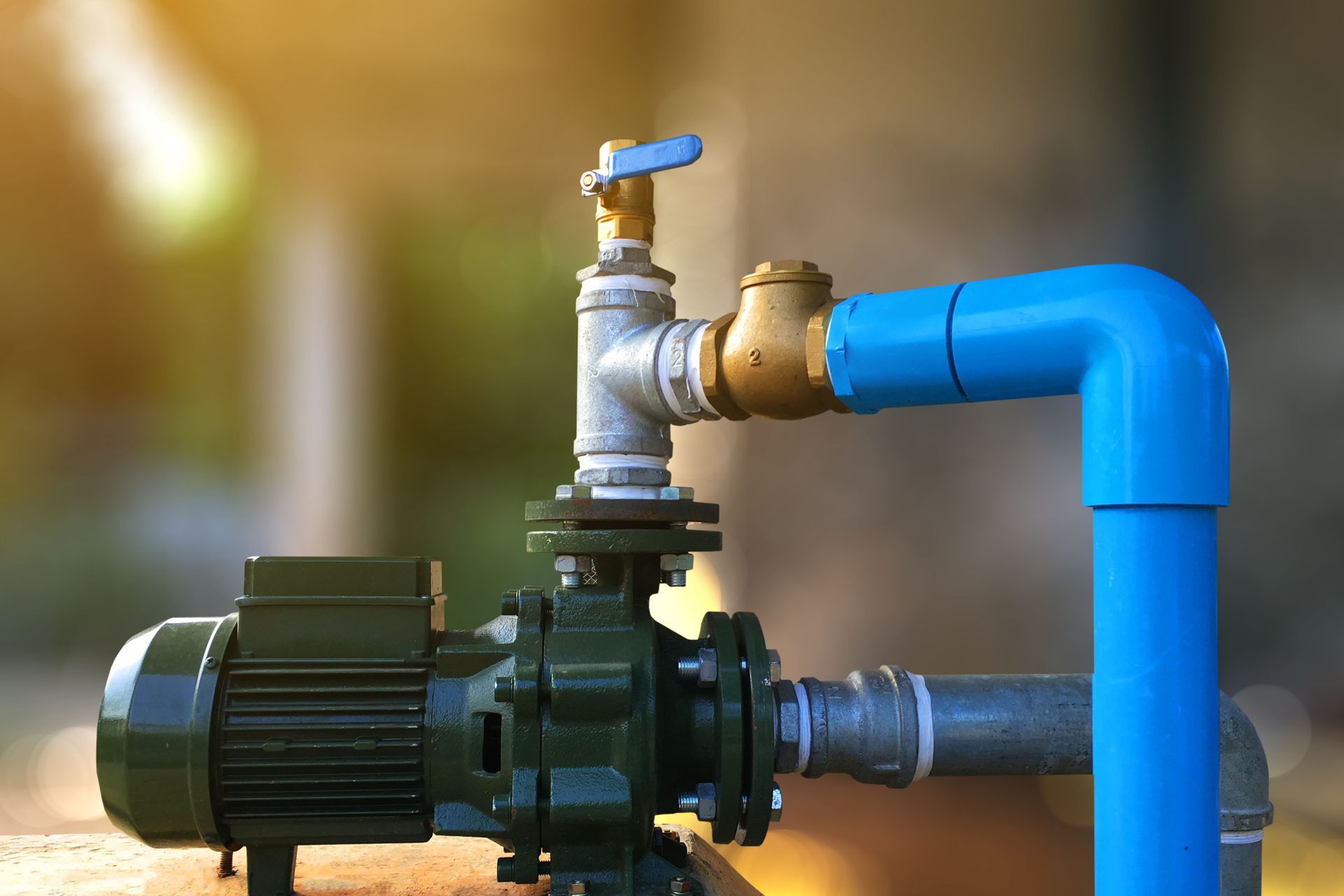
Air intrusion generally occurs through compromised suction line fittings, damaged check valves, or degraded well head seals. A failing check valve allows water to drain back into the well when the pump shuts off, pulling air into the supply pipe. Inspect all above-ground joints, threads, and tank fittings for vacuum leaks, applying thread sealant or replacing worn gaskets where air entry is identified.
To purge air from the system, open all cold water outlets across the property starting at the highest elevation point. Allow the system to run continuously until water flows smoothly without surging or sputtering. Once purged, monitor pressure gauges over several operating cycles to confirm the system remains sealed against vacuum leaks.
Noise Disturbances and Overheating
Excessive noise during pump operation indicates mechanical distress within the well assembly or pressure controls. Grinding, clicking, or loud rattling noises typically point to worn motor bearings, cavitation from restricted intake screens, or loose mounting hardware.
Overheating occurs when a pump runs continuously without adequate water flow to cool the motor windings. Low well yield, rapid cycling caused by waterlogged pressure tanks, or severe intake blockages cause internal thermal buildup that triggers automatic thermal overload switches. If a pump thermal-trips repeatedly, verify static water levels and confirm the pressure tank bladder holds correct pre-charge pressure.
Addressing mechanical noise and thermal overload requires checking line clearances, cleaning intake strainers, and replacing worn drive bearings. Timely repairs prevent complete motor seizure and ensure long-term dependability for critical water well pumps.
Contaminants and Water Quality Issues
Changes in water clarity, unusual odors, or sand accumulation signal source contamination or structural well failure. Muddy or cloudy discharge suggests a dropping water table, damaged casing screens, or heavy mineral silt entering the pump intake.
Sand intrusion rapidly abrades internal impellers and clogs pressure switch nipples, causing premature mechanical failure. Installing sand separators or lowering the pump assembly above sediment levels prevents particulate wear. Biological growth or foul odors require shock chlorination treatments to sanitize well casings and distribution lines.
Regular water testing helps detect mineral buildup, bacterial contamination, or sand infiltration before these issues cause mechanical damage. Integrating filtration and softening systems protects downstream equipment while preserving operational efficiency for all installed water well pumps.
Seasonal Freeze Protection and Winterization
Freezing temperatures pose a severe risk to water well infrastructure, particularly in above-ground plumbing, pressure tanks, and exposed control components. When water freezes inside uninsulated pipes or pump housings, the expanding ice can crack cast iron fittings, burst distribution lines, and destroy delicate pressure switches. Implementing a proactive winterization strategy before the first hard freeze is essential for preventing sudden service disruptions and costly emergency repairs.
For seasonal properties or systems taken offline during winter, completely draining the supply lines, pressure tanks, and pump casings is necessary. Turn off the main electrical supply to prevent the motor from dry-running, then open all drain valves and fixtures at low points in the plumbing network. For year-round systems, active freeze protection measures must be maintained. Enclose vulnerable above-ground equipment inside an insulated well house or cover, and install thermostatically controlled heat tape around exposed piping. Ensure all wall penetrations and enclosure gaps are sealed against cold drafts.
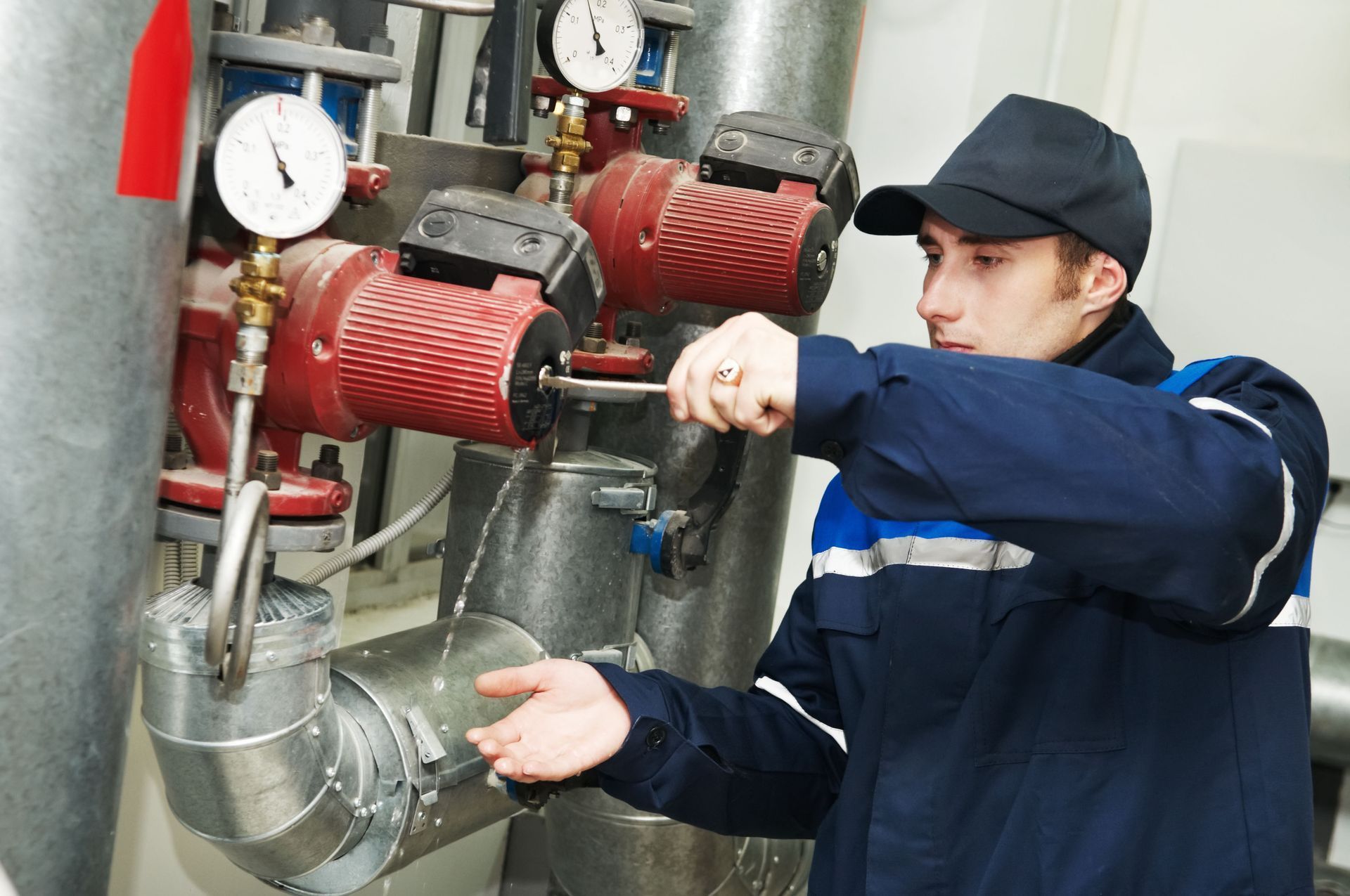
Maintaining a functional water system requires proactive troubleshooting, timely part replacements, and careful monitoring of electrical and hydraulic controls. By addressing pressure drops, air locks, and electrical faults early, property owners protect their infrastructure against costly overhauls. Consistent routine care prevents unexpected breakdowns during peak demand periods. Investing in professional assessments ensures every component operates safely and efficiently over its maximum lifespan. Prioritizing systematic preventive care ultimately saves time, prevents stress, and preserves long-term property value. When complex repairs exceed DIY capabilities, working with licensed professionals ensures long-term system reliability. For dependable maintenance, diagnostic evaluations, and emergency repairs, trust the experienced team at J&J Pumps, Inc. to keep your supply running smoothly.