December 4, 2025
Choosing the right pump is one of the most important decisions you'll make when maintaining or upgrading your home's well system. A water well provides your household with clean, reliable water, but the system is only as good as the pump you select. For many property owners, the big question becomes whether a jet pump or a submersible pump is the better fit. Each option has unique advantages depending on your well depth, water needs, long-term expectations, and maintenance preferences.
In this guide, we'll walk you through the major differences between the two types of pumps, how they operate, and what factors should influence your decision. With clear explanations and examples used in real-world water systems, you'll be better prepared to choose a water well pump that supports your home for years to come.
Understanding How Jet Pumps Operate
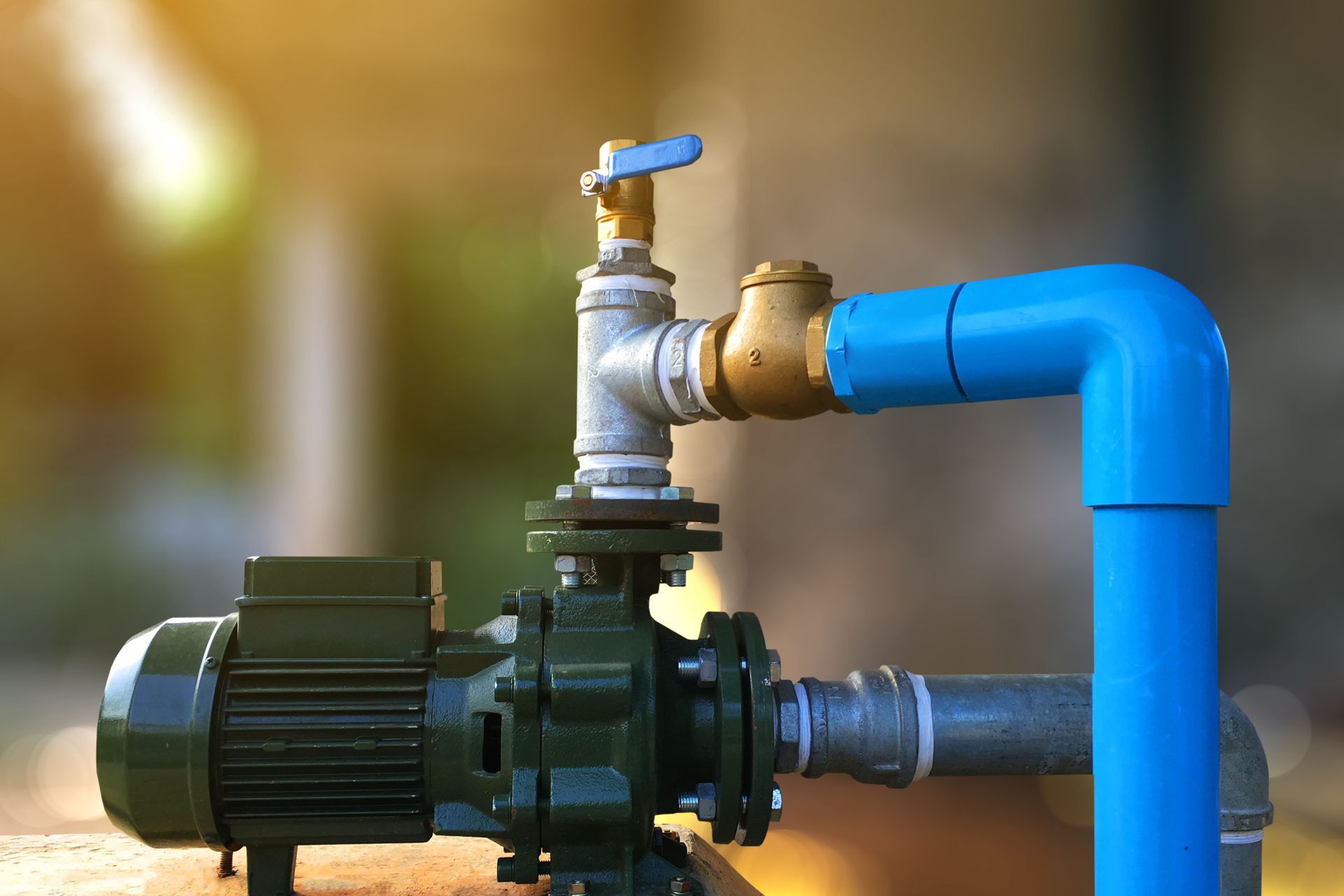
A jet pump is typically installed above ground, either inside your home or in a well house. It works by creating suction that pulls water from the well into the home's plumbing. Because of this suction-based design, jet pumps are most effective for shallow wells, generally those less than 25 feet deep. They rely on atmospheric pressure to lift water, which limits their depth capabilities compared to other pump styles.
Jet pumps come in two primary variations: shallow-well jet pumps and deep-well jet pumps. Shallow-well jet pumps are intended for wells with minimal depth, while deep-well jet pumps use a two-pipe system to pull water from slightly greater distances. Even with the two-pipe mechanism, they still do not match the lifting power of a submersible system.
One major advantage of jet pumps is their ease of access. Because they sit above ground, repairs and maintenance do not require pulling equipment from the well. Homeowners in areas with mild climates may prefer a jet pump for the convenience and lower upfront installation cost. If your water well pump system is shallow and you value simple servicing, this option may be worth considering.
Recognizing How Submersible Pumps Function
Submersible pumps are installed deep inside the well, submerged below the water line. This allows them to push water upward rather than pull it, giving them significantly more power and efficiency. In fact, submersible pumps are suitable for both shallow and deep wells and are known for handling high water demands with ease. According to This Old House, you can use submersible pumps in wells up to 300 feet deep, which demonstrates how versatile they are for various well depths.
Because submersible pumps operate underwater, they maintain prime naturally and run quieter than above-ground systems. Their sealed motors are protected from debris and environmental exposure, which increases their lifespan if properly maintained. Many homeowners appreciate their energy efficiency, as pushing water upward requires less electricity than pulling it from below.
A submersible water well pump is often the best choice when a property needs consistent water pressure or has a deep or older well. While installation is more involved, the long-term performance benefits make them a popular option for residential and agricultural properties.
Comparing Installation and Maintenance Requirements
When comparing a jet pump and a submersible pump, installation is a key factor. Jet pumps are simpler and less expensive to install because they remain above ground. They don't require lowering heavy equipment into the well, which reduces labor time and cost. This setup also makes troubleshooting easier. If your water well pump stops working or loses prime, it's much easier for a technician to access the unit quickly.
Submersible pumps, on the other hand, require a more complex installation. The pump must be properly sealed, lowered into the well casing, and connected to electrical wiring that runs underground. If the pump ever needs servicing, removing it can be a labor-intensive process.
Maintenance also differs between the two. Jet pumps may need their suction line cleaned or repaired periodically, and they can lose prime if there are air leaks in the system. Submersible pumps experience fewer mechanical issues caused by air or debris, but when repairs are necessary, the process is more time-consuming.
Homeowners who prefer easy access and lower upfront costs might lean toward a jet pump, while those who prioritize long-term efficiency and quiet operation often choose a submersible water well pump instead.
Evaluating Lifespan and Performance Expectations
The lifespan of a pump can vary widely depending on design, usage, and water quality. In our experience, jet pumps typically last around 8–10 years with proper maintenance. They tend to work harder in deeper wells, which may shorten their overall lifespan. Their above-ground location also makes them more vulnerable to weather changes, temperature swings, and potential flooding in pump houses.
We've found that submersible pumps, however, often last 15 years or more because they are protected inside the well. The surrounding water helps cool the motor, reducing wear over time. Efficiency is another major advantage. Because they push water rather than pull it, submersible pumps operate more smoothly and with less energy. This translates into lower electricity usage, especially in homes with high water demand.
When choosing a water well pump, consider how frequently your household uses water. Larger families, properties with irrigation systems, or homes operating livestock watering equipment usually benefit from the dependable pressure and long lifespan submersible pumps offer. If your water usage is moderate and your well is shallow, a jet pump may function perfectly well for many years.
Considering Water Quality and Environmental Conditions
Water quality and environmental factors also influence pump selection. Jet pumps struggle with sandy or sediment-filled wells because debris can clog the suction system over time. If your region experiences seasonal drought, shallow wells serviced by jet pumps may experience pressure drops or outages more frequently.
Submersible pumps handle variable water levels better due to their location deep inside the well. Their sealed components are built to resist sand, silt, and mineral buildup. They also operate more effectively in colder climates because they are insulated by the earth and water. Homes in areas with freezing winters often rely on submersible pumps to avoid complications caused by frozen pipes or outdoor pump components.
If your property has unpredictable water supply patterns or higher sediment levels, a submersible water well pump tends to offer more reliability. If conditions are stable and your well is shallow, a jet pump remains a reasonable solution.
Assessing Cost Differences and Long-Term Value
Cost is always a major factor in choosing the right system. Jet pumps are typically cheaper upfront, both in equipment and installation. They are also generally less costly to repair since technicians can access them easily. For homeowners with budget constraints, a jet pump provides a functional, cost-effective solution for shallow wells.
Submersible pumps, while more expensive initially, often provide better long-term value. Their efficiency typically reduces utility costs, and their longevity can lead to fewer replacements over time. In many cases, the investment evens out due to lower operational expenses and reduced maintenance.
When selecting a water well pump , think about both the immediate installation cost and how long you expect the system to last. A smaller property with low water demands may not need the power of a submersible pump, while a larger property that relies heavily on its well may save money over time with the increased efficiency and lifespan of a submersible model.
Determining Which Pump Is Right for Your Home
Ultimately, choosing the right pump depends on well depth, water usage, environmental conditions, and long-term expectations. A jet pump may suit a property with a shallow well, moderate water needs, and a desire for easy maintenance. A submersible pump is ideal for deeper wells, higher water demands, and homeowners seeking quiet, efficient performance.
Both jet pumps and submersible pumps offer reliable ways to bring fresh water into your home, but the right choice depends heavily on your well's depth, your daily water usage, and your long-term expectations for efficiency and maintenance. By understanding how each type works and what advantages they bring, you'll be well-equipped to make the best decision for your property.
If you're ready to improve your water well system or need professional guidance selecting the right pump, we're here to help at J&J Pumps, Inc. Contact us today to get started.