March 4, 2026
Clean water is something most homeowners depend on every single day without much thought. When your home relies on a private well, the system that delivers that water becomes even more important. While the well itself plays a major role, the pump is what keeps water moving safely and efficiently from the ground into your home. That is why professional water pump installation is not just a matter of convenience. It directly affects your water quality, your plumbing system, and your long term peace of mind.
Many homeowners underestimate how technical well systems can be. From choosing the right pump size to sealing the well correctly, every step influences how clean and consistent your water supply will be. Working with experienced professionals helps ensure your system is installed properly from the beginning and reduces the risk of costly problems later. A well-designed system not only delivers dependable water pressure but also minimizes the chance of introducing contaminants into your household supply.
The Connection Between Your Well Pump and Water Quality
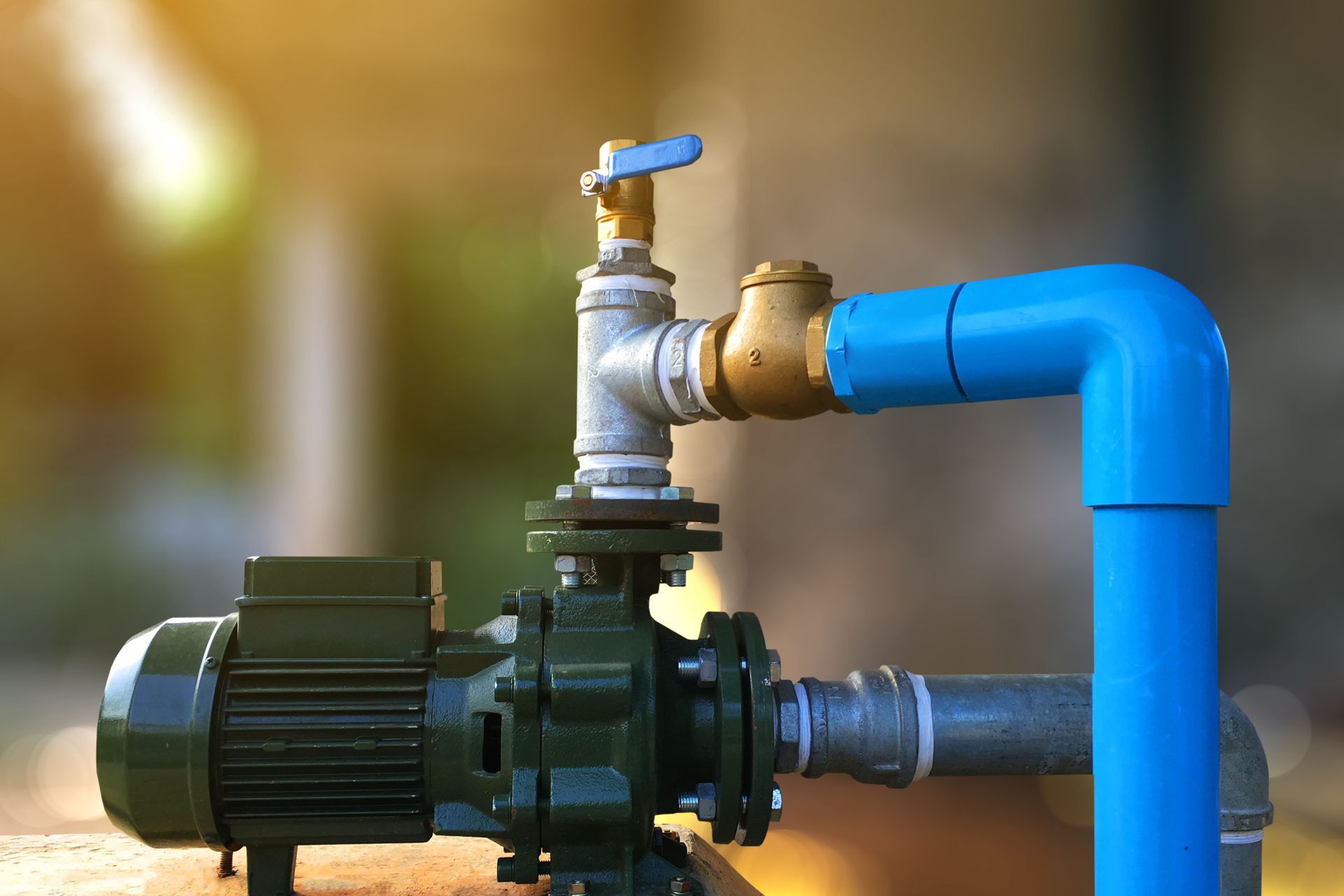
Your well pump does more than move water. It controls the pressure, flow rate, and overall performance of your water system. When water pump installation is handled correctly, the system draws water at the proper rate without disturbing sediment or introducing contaminants. A properly installed pump maintains balanced pressure, which helps protect pipes, fixtures, and filtration systems throughout the home.
If a pump is too powerful, it can stir up sediment at the bottom of the well. That sediment may include sand, silt, or naturally occurring minerals that affect taste and clarity. In some cases, excess sediment can clog plumbing fixtures, reduce appliance efficiency, and increase wear on water heaters and washing machines. On the other hand, if a pump is too small, it may struggle to maintain pressure. This can lead to inconsistent water flow, air in the lines, and unnecessary strain on system components that eventually impacts water quality.
Professional installers carefully calculate well depth, recovery rate, and household water demand before beginning any water pump installation. This ensures the pump operates within safe limits and supports clean, steady water delivery for years to come. Their approach is based on technical measurements rather than guesswork, which makes a measurable difference in system performance.
Proper Sizing Protects Your Water Supply
Every well is different. Factors such as depth, diameter, static water level, and seasonal groundwater changes all influence which pump will work best. Professional water pump installation includes a detailed evaluation of these variables before any equipment is selected. Installers also assess how many bathrooms, appliances, irrigation systems, and outdoor water features the home supports.
An improperly sized pump can create serious water quality issues. Overpumping may cause the water level to drop temporarily, pulling in air or sediment. In certain situations, it can even allow surface contaminants to enter the well if protective seals are weakened. Undersized pumps often cycle on and off too frequently, which increases wear, raises energy costs, and can shorten the lifespan of the entire system.
By selecting the correct horsepower and flow capacity, professionals help maintain stable water levels and prevent unnecessary disturbance within the well. Thoughtful water pump installation protects both your equipment and the quality of the water your family uses every day.
Preventing Contamination During Installation
The installation process itself plays a major role in water safety. Wells must be protected from bacteria, debris, and surface runoff during any service work. Professional water pump installation includes sanitation procedures that help prevent contamination from the start. Technicians disinfect tools and components before they come into contact with the well system and take steps to avoid exposing the interior to outside elements.
Proper sealing is another critical step. The well cap and casing must fit securely to keep out insects, rodents, and dirt. Even a small gap can allow unwanted materials into the water supply. Once the pump is in place, professionals verify that all fittings are tight and that the electrical connections are safely enclosed to prevent moisture intrusion.
According to the CDC, a private well or water system is not regulated if it serves no more than 25 people for at least 60 days of the year. Because oversight is limited, homeowners are largely responsible for maintaining safe water conditions. Choosing experienced technicians for water pump installation reduces the risk of contamination and provides added reassurance that proper procedures have been followed.
Protecting the Well Structure
A well is a carefully constructed system designed to access groundwater while blocking surface pollutants. Improper handling during installation can damage the casing or disturb the protective grout seal around the well. These structural components are essential for keeping contaminants out and preserving long-term water quality.
Professional water pump installation ensures that equipment is lowered into the well safely without scraping, cracking, or weakening the casing. Installers use appropriate tools and follow established guidelines to prevent structural damage. They also confirm that the pump is positioned at the correct depth to avoid pulling sediment from the bottom of the well.
When structural components remain intact, the risk of bacteria, pesticides, or runoff entering the water supply is significantly reduced. This attention to detail makes a noticeable difference in overall water clarity and safety.
Electrical Safety and System Performance
Well pumps rely on electrical connections to operate efficiently. Incorrect wiring can lead to inconsistent performance, overheating, voltage fluctuations, or complete system failure. In some cases, electrical problems may cause the pump to run continuously or short cycles, which can disturb sediment and negatively affect water clarity.
Licensed professionals understand the electrical demands of different pump models and pressure systems. During water pump installation, they ensure that wiring is properly grounded, protected from moisture, and connected to correctly rated circuit breakers. Pressure switches are calibrated to match the household’s water usage patterns.
Reliable electrical performance keeps the pump running smoothly and reduces the likelihood of sudden breakdowns. Consistent operation supports steady water flow, prevents unnecessary stress on the system, and helps maintain clean water delivery throughout the home.
Supporting Filtration and Treatment Systems
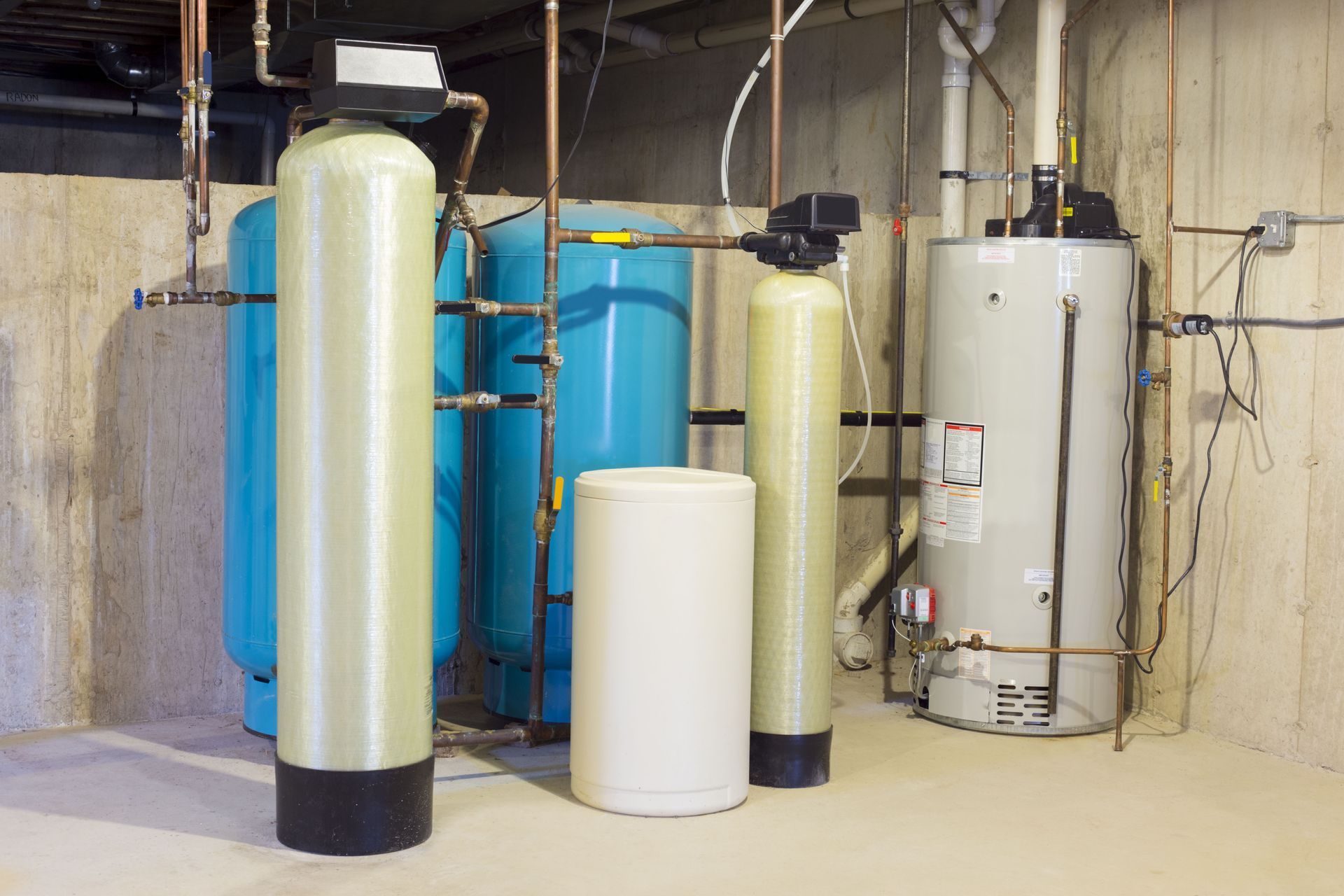
Many homes with private wells rely on additional filtration or water treatment equipment to address minerals, hardness, or other naturally occurring elements. The effectiveness of these systems depends heavily on stable water pressure and consistent flow rates. Proper water pump installation ensures that filtration units receive the correct pressure to function as intended.
If pressure fluctuates due to poor installation, filters may clog more quickly or fail to remove contaminants effectively. Over time, this can reduce water quality and increase maintenance costs. A professionally installed pump works in harmony with softeners, iron filters, and purification systems to maintain optimal performance. When all components are aligned and functioning properly, homeowners experience cleaner water, fewer repairs, and improved efficiency throughout the entire plumbing system.
Experienced technicians bring knowledge of local soil conditions, groundwater behavior, and common regional challenges. They understand how seasonal changes can affect wells and how to adjust system settings accordingly. This expertise reduces guesswork, improves performance, and supports long-term water quality. Clean water starts with a well-designed and properly installed system. While it may be tempting to cut costs or attempt a do-it-yourself approach, the risks often outweigh the savings. Choosing professional water pump installation helps safeguard your water quality, protect your investment, and ensure dependable service for years to come. The added care, technical knowledge, and attention to detail ultimately make a meaningful difference in the safety and reliability of your home’s water supply. For more information, contact J&J Pumps, Inc.